
Material testing machine is an important equipment for measuring the mechanical properties of materials under various external forces, which is widely used in scientific research, teaching, industrial production and quality inspection. In the process of testing the mechanical properties of materials, loading is one of the key steps, which directly affects the accuracy and reliability of the test results. This paper will briefly introduce the loading principle, loading mode and operation precautions of the material testing machine.
First, the basic principle of loading
The material testing machine applies a certain external force (tensile force, pressure, shear force, bending force, etc.) to the sample, and measures the deformation or failure of the sample during the stress process, so as to obtain the mechanical performance indexes such as strength, plasticity and toughness of the material. The loading process usually consists of loading system (such as hydraulic system or motor drive system), force measuring system and control system. The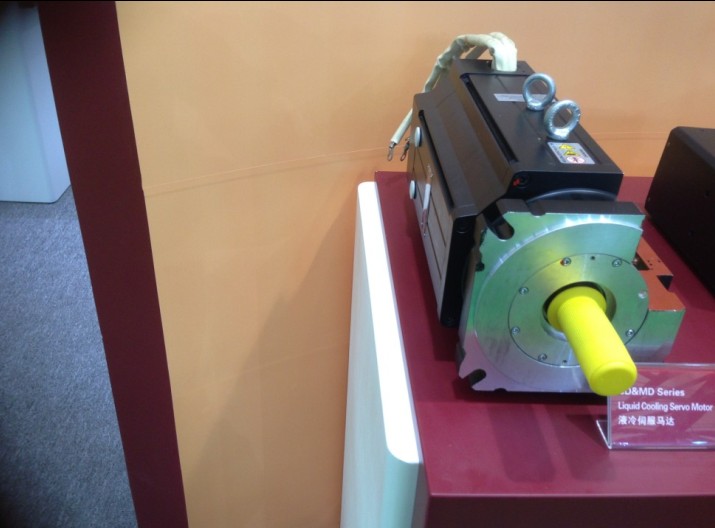 loading system can accurately load the sample by controlling the loading speed and the loading force.
Second, the classification of loading methods
According to the different loading methods,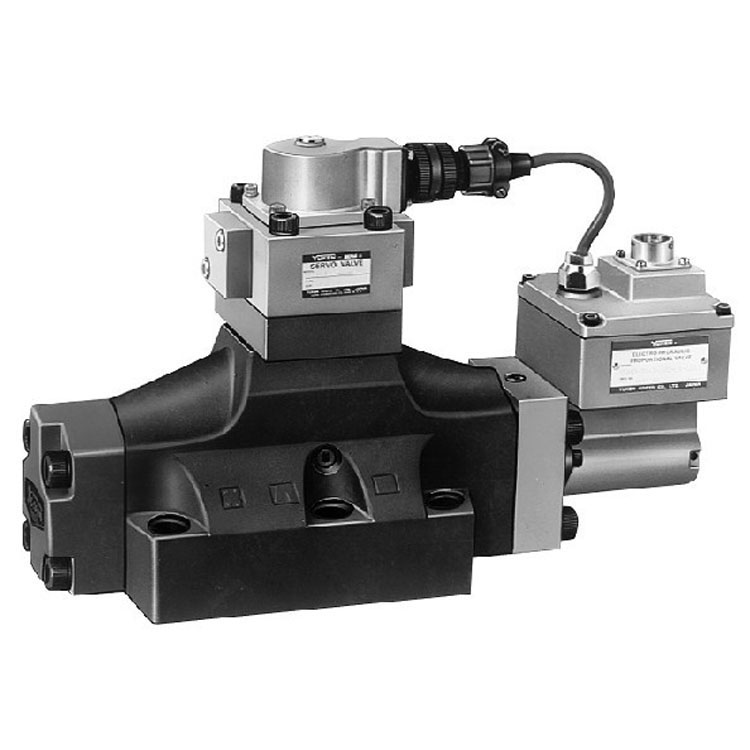 material testing machines are mainly divided into the following types:
1. Static loading: This is the most common loading method, which is suitable for tensile, compressive and bending tests. Its characteristic is that the loading speed is slow to ensure that the material is deformed or destroyed in a stable state.
2. Dynamic loading: used to test the performance of materials under impact or alternating load, such as fatigue testing machine and impact testing machine. Dynamic loading usually involves high-speed loading or cyclic loading.
3. Dead load loading: The material is tested under long-term stress, which is often used for creep or relaxation test.
4. Program-controlled loading: Modern electronic universal testing machines usually have computer control function, which can be loaded in multiple stages, kept in load or cyclically according to the set program, and are suitable for testing complex mechanical properties.
Third, the loading operation process
A complete loading process usually includes the following steps:
1. Sample installation: correctly install the sample in the fixture of the testing machine, and ensure reliable clamping to avoid slipping or eccentric loading during loading.
2. Parameter setting: Set parameters such as loading speed, maximum load and loading mode according to test standards or requirements.
3. Start loading: start the testing machine, apply the load slowly, and observe the deformation of the sample and the changes of the dynamometer.
4. Data acquisition: record the load-displacement curve or load-strain curve, and analyze the stages of elasticity, yield, strengthening and fracture of materials.
5. Unloading and cleaning: After loading, close the equipment, take down the sample, and clean the fixture and workbench for next use.
IV. Matters needing attention in the loading process
1. Ensure that the sample meets the standard requirements, and avoid the influence of the sample size or machining accuracy on the test results.
2. The loading speed should be reasonably selected according to the material properties and test types to avoid data distortion caused by too fast or too slow.
3. Regularly calibrate and maintain the testing machine to ensure the accuracy of the force measuring system and loading system.
4. Operators should be familiar with equipment performance and pay attention to safety to prevent accidents.
tag
To sum up, the loading of the material testing machine is not only the core link of the test process, but also the key to ensure the accuracy of the test data. Scientific and standardized loading operation can effectively improve the test efficiency and the reliability of the results, and provide strong technical support for the selection of engineering materials and structural design. With the development of modern testing technology, the level of automation and intelligence of material testing machine is constantly improving, and the future loading process will be more accurate and efficient.