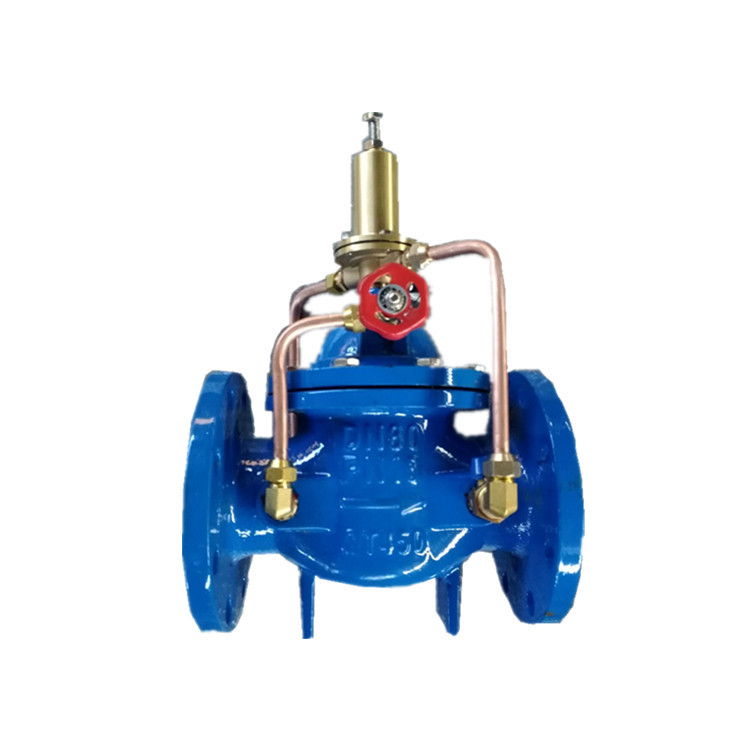
Valve stuffing gland adjustment methods and leakage prevention and treatment measures
Valves are indispensable equipment in industrial production, playing a controlling role in fluid transportation systems. The sealing and stability of valves directly affect the operating efficiency and safety of the system. Among them, the adjustment of valve stuffing gland and the maintenance of sealing performance are important links to ensure the normal operation of valves. This article will discuss the adjustment methods of valve stuffing gland and the measures to prevent leakage.
Firstly, the Adjustment Methods of Valve Stuffing Gland
Selecting the Appropriate Packing: The selection of valve packing is a key factor affecting the sealing performance of the valve. Typically, valve packing includes asbestos packing, Teflon packing, graphite packing, polytetrafluoroethylene packing, and metal wrapped packing, among others. When selecting packing, factors such as the working medium, working pressure, working temperature, and operating environment should be considered. For example, for high-temperature, high-pressure media, packing that can withstand high temperature and high pressure should be selected; for media with strong corrosiveness, packing that is resistant to corrosion should be selected.
Adjustment of the Gland: The adjustment of the stuffing gland is mainly achieved by regulating the tightness of the gland. If the stuffing gland is too tight, it will increase the resistance of the valve’s opening and closing, reducing the sealing performance of the valve; if the stuffing gland is too loose, it will cause the valve to not seal properly, resulting in leakage. Therefore, the tightness of the stuffing gland should be appropriately adjusted according to the working pressure and temperature of the valve, as well as the sealing performance requirements of the valve. Generally, the tightness of the stuffing gland should be kept at a slight leakage when the valve is opened and basically no leakage when it is closed.
Replacement of Packing: When the valve packing is worn or aged, or due to medium erosion, the packing loses its sealing performance, it is necessary to replace the packing. When replacing the packing, the valve should be closed first, the medium in the pipeline should be drained, then the valve should be removed, new packing should be installed, and finally the valve should be re-installed and pressure tested to ensure the sealing performance of the valve.
Secondly, the Adjustment Methods of Valve Stuffing Gland and Leak Prevention Measures
Regular Inspection: Regular inspections of the valve can help detect and handle the tightness of the stuffing gland in a timely manner, preventing leakage problems caused by the stuffing gland being too tight or too loose. At the same time, regular checks of the valve’s sealing performance ensure that the valve can operate normally within the normal working pressure and temperature range.
Selecting the Appropriate Valve: When selecting a valve, factors such as the working medium, working pressure, working temperature, and operating environment should be considered to avoid problems such as overly tight or loose stuffing glands caused by incorrect valve selection, which can lead to leakage.
Correct Operation: During the use of the valve, operations should be strictly carried out according to the operation procedures to avoid problems such as overly tight or loose stuffing glands caused by improper operation, which can lead to leakage.
Maintenance: Regular maintenance of the valve can help detect and handle the tightness of the stuffing gland in a timely manner, preventing leakage problems caused by the stuffing gland being too tight or too loose. At the same time, regular checks of the valve’s sealing performance ensure that the valve can operate normally within the normal working pressure and temperature range.
Employee Training: Training employees on valve operation and maintenance can improve their skill levels and effectively prevent problems such as overly tight or loose stuffing glands caused by improper operation, which can lead to leakage.
In summary, the adjustment of the valve stuffing gland and the maintenance of its sealing performance are important links to ensure the normal operation of the valve. By selecting appropriate packing, adjusting the tightness of the gland, regularly inspecting and maintaining the valve, it can effectively prevent valve leakage problems and improve the service life and reliability of the valve.