
The Stabilization Method of Surface Hardness of the Gate Valve Rod of Mechanical Valves
One, Introduction
As an important fluid control equipment, the gate valve plays a crucial role in industrial production. The performance of the gate valve largely depends on the performance of the rod. The surface hardness of the gate valve rod directly affects its wear resistance, corrosion resistance, fatigue resistance, and thus affects the service life and operating efficiency of the gate valve. Therefore, how to effectively stabilize the surface hardness of the gate valve rod has become an important issue in the manufacturing and use of gate valves.
Two, Causes of unstable rod surface hardness
The instability of the surface hardness of the gate valve rod mainly originates from defects in the manufacturing process, such as material defects, improper heat treatment, and uneven surface treatment. In addition, during the use process, the rod is exposed to the fluid for a long time, which will also cause the surface hardness of the rod to decrease.
Three, Methods for stabilizing the surface hardness of the rod
Choosing appropriate materials: According to the working conditions of the gate valve, appropriate materials should be selected, such as high-hardness, high-wear resistance, and high-corrosion-resistant alloys. At the same time, the uniformity of the material should be ensured to avoid instability in the surface hardness of the rod due to material defects.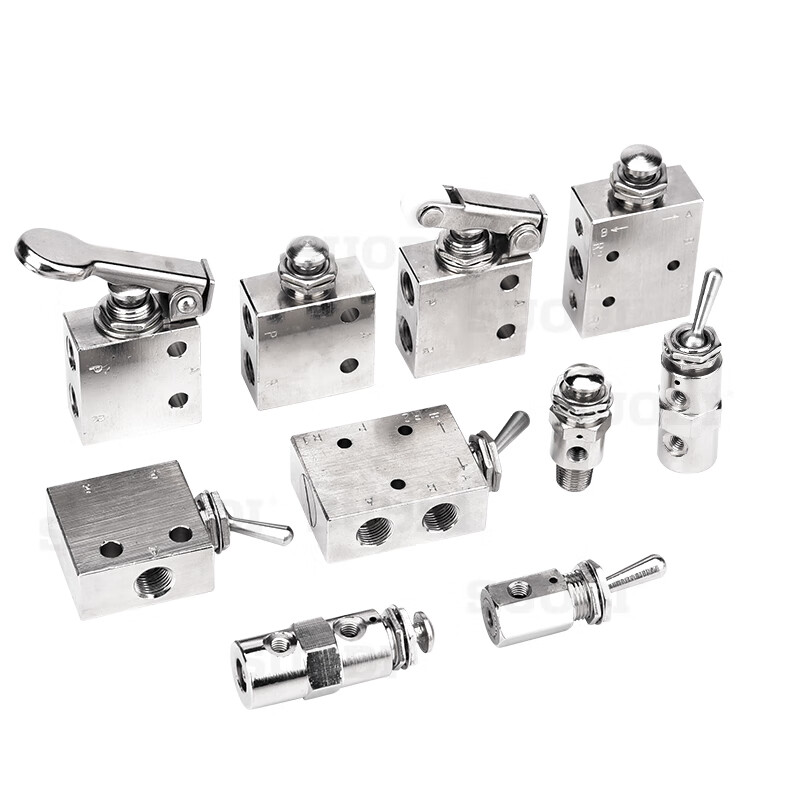
Strictly controlling the heat treatment process: Heat treatment is an important means to ensure the surface hardness of the gate valve rod. The heat treatment should be carried out strictly in accordance with the process requirements, such as quenching and tempering, to ensure that the surface hardness of the rod reaches the expected effect.
Adopting reasonable surface treatment techniques: Surface treatment can improve the wear resistance and corrosion resistance of the gate valve rod, such as carburization, nitriding, and hard chrome plating. These surface treatment techniques can significantly improve the surface hardness of the gate valve rod, thereby extending its service life.
Improving processing accuracy: The processing accuracy of the gate valve rod directly affects its surface hardness. It should be ensured that the size accuracy, shape accuracy, and position accuracy of the rod are in place to reduce stress concentration during the processing process and avoid uneven surface hardness.
Reasonable use and maintenance: During the use of the gate valve, it should be avoided to be in a high-temperature or high-pressure environment for a long time to prevent the surface hardening layer of the rod from wearing off too quickly. At the same time, regular maintenance and inspections should be carried out in a timely manner to replace worn-out parts, in order to maintain the surface hardness of the rod.
Four, Conclusion
The stability of the surface hardness of the gate valve rod is crucial for improving the service life and operating efficiency of the gate valve. By selecting appropriate materials, strictly controlling the heat treatment process, adopting reasonable surface treatment techniques, improving processing accuracy, and using and maintaining it reasonably, the surface hardness of the gate valve rod can be effectively improved, thereby extending its service life and enhancing the overall performance of the gate valve.