
Troubleshooting Steps for the Control Circuit of the Electric Actuator of the Mechanical Valve
1. Introduction
In the field of industrial automation, the electric actuator is an important actuating element. It converts electrical signals from the control system into mechanical energy to achieve the opening and closing action of valves. The control circuit is an important part to ensure the normal operation of the electric actuator, and its failure will directly affect the performance of the actuator. This article will start with common faults in the control circuit and elaborate on the troubleshooting steps in detail.
2. Troubleshooting Steps
Fault Confirmation: First, we need to confirm whether the control circuit of the electric actuator has a fault. This can be initially judged by observing the operating status of the actuator, such as whether the actuator is working normally, whether there are abnormal sounds, or whether there are abnormal vibrations, etc.
Power Supply Inspection: Check whether the power supply is normal, including whether the voltage and current of the power supply are within the normal range, and whether there are open circuits, short circuits, and other phenomena. Power supply inspection can be performed using a multimeter, and the normality of the power supply can be judged by measuring voltage and current.
Control Signal Inspection: Check whether the control signal is normal, including whether the signal voltage, current, and signal waveform are within the normal range. Control signal inspection can be performed using an oscilloscope, and the normality of the signal can be judged by observing the signal waveform.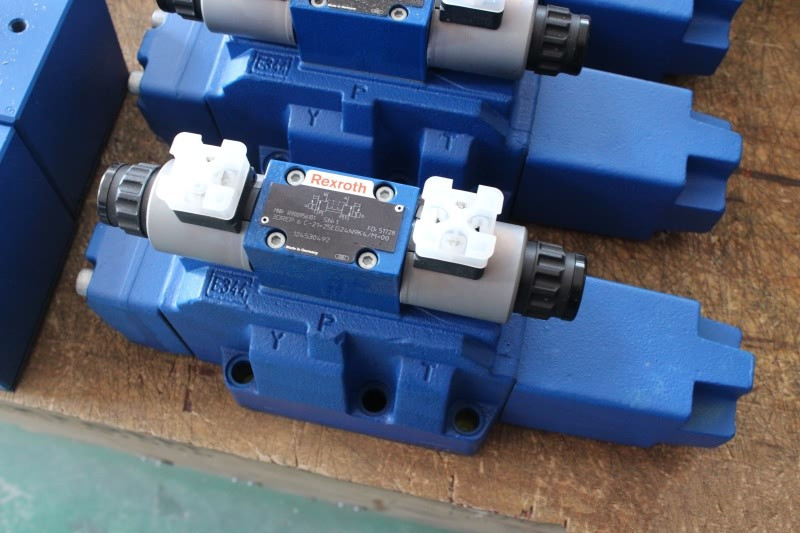
Control Circuit Inspection: Check for faults in the control circuit, including whether the resistors, capacitors, transistors, relays, and other components in the control circuit are normal, and whether there are short circuits, open circuits, and other phenomena in the control circuit. Control circuit inspection can be performed using multimeters, oscilloscopes, and other tools, and the normality of the control circuit can be judged by measuring resistance, capacitance, voltage, and current.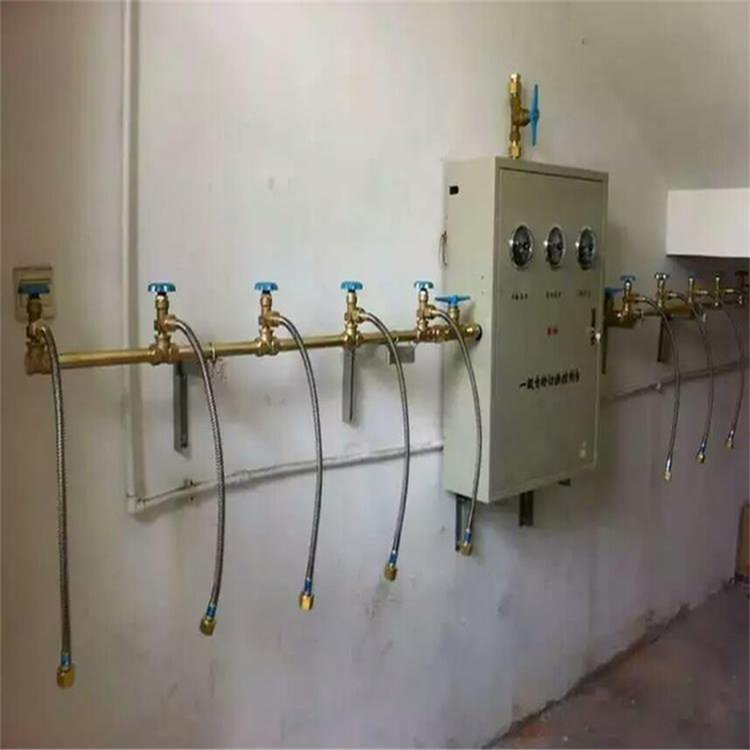
Hardware Fault Troubleshooting: If no problems are found during the control circuit check, it may be a hardware fault. Hardware faults include mechanical and electrical faults, and detailed mechanical and electrical inspections of the actuator are required. The mechanical inspection includes checking whether the mechanical structure of the actuator is normal, and checking whether the sealing performance of the actuator is good. The electrical inspection includes checking whether the electrical circuit of the actuator is normal, and checking whether the electrical components of the actuator are normal.
Software Fault Troubleshooting: If no problems are found during the hardware check, it may be a software fault. Software faults include control program errors, control software version mismatches, etc. Detailed checks and debugging of the control program are required to find the cause of the fault.
3. Conclusion
This is the troubleshooting steps for the electric actuator control circuit. By following these steps, we can effectively troubleshoot the faults in the electric actuator control circuit and ensure the normal operation of the electric actuator. At the same time, we should also regularly maintain and inspect the electric actuator to prevent faults from occurring and to extend the service life of the electric actuator.