
Testing Methods for the Compactness of Sand Molds for Casting Mechanical Valve Bodies
Introduction
The body of the mechanical valve is an important part of the mechanical valve, playing a key role in the industrial field, including but not limited to water treatment, oil extraction, natural gas transportation, and power transmission. Sand casting is a common manufacturing method in the manufacturing process of the valve body. In the sand casting process, the compactness of the sand mold is an important factor affecting the quality of the casting. The compactness of the sand mold determines its permeability, fluidity, and compressive strength, thereby affecting the surface quality, internal structure, and dimensional accuracy of the casting. Therefore, the detection and control of the compactness of the sand mold is crucial for ensuring the quality of the mechanical valve body.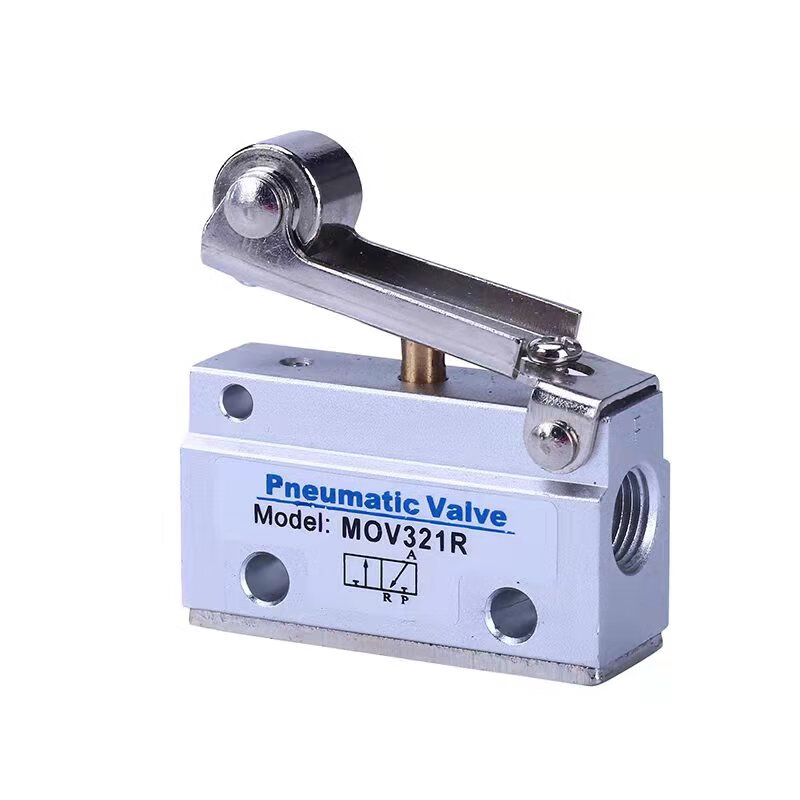
Chapter 2: Detection methods for the compactness of casting sand for mechanical valve bodies
Theoretical calculation method
The theoretical calculation method can estimate the compactness of the casting sand. This method requires an understanding of parameters such as the chemical composition, physical properties, shape, size, casting temperature, and cooling speed of the casting sand. Based on these parameters, the compactness of the casting sand can be calculated using formulas. However, this method has certain limitations because in actual production, these parameters are often difficult to control accurately, and the compactness of the casting sand is affected by various factors such as the mixing ratio of the casting sand, temperature and humidity during the mixing process, which all affect the accuracy of the calculation results.
Mechanical detection method
The mechanical detection method is to detect the compactness of the casting sand by using specific instruments and equipment such as vibration sieves and vibration tables. This method can directly reflect the compactness of the casting sand and is not affected by the chemical composition and physical properties of the casting sand. The specific operational steps are as follows: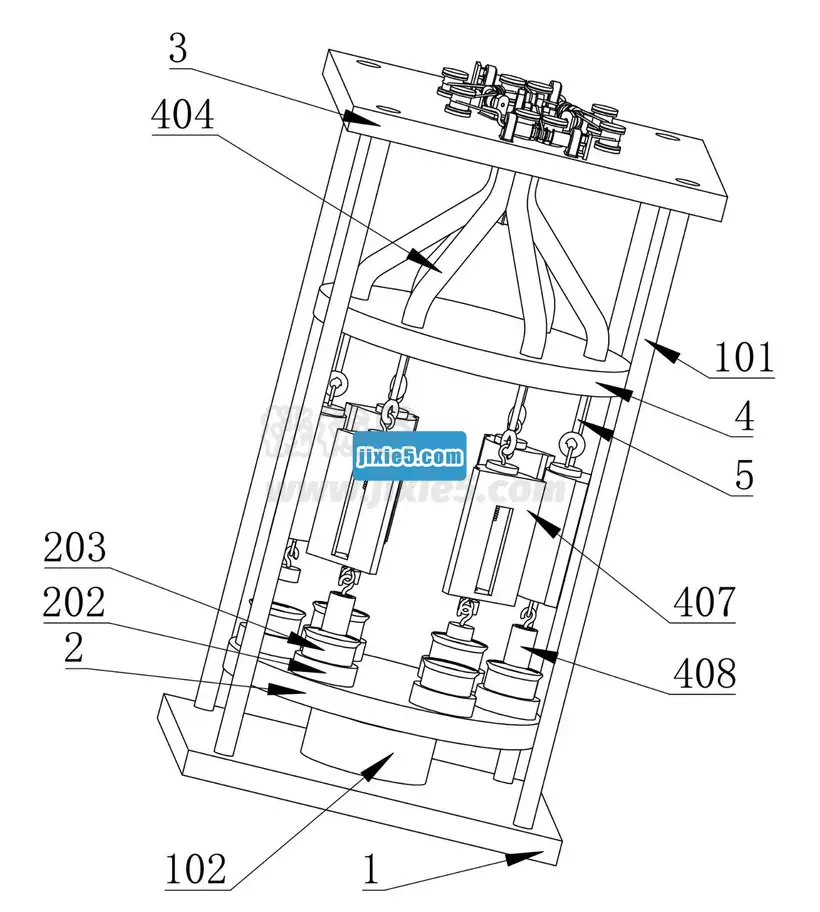
(1) Place the casting sand in a vibration sieve, and expel the air and moisture in the casting sand through the vibration of the vibration sieve, thereby improving the compactness of the casting sand. The vibration frequency and amplitude of the vibration sieve can be adjusted according to the characteristics of the casting sand to achieve the best compactness.
(2) Place the vibrating casting sand on a vibration table, and further expel the air bubbles and moisture in the casting sand through the vibration of the vibration table, thereby improving the compactness of the casting sand. The vibration frequency and amplitude of the vibration table can be adjusted according to the characteristics of the casting sand to achieve the best compactness.
(3) Assess the compactness of the casting sand by measuring parameters such as the density, particle size distribution, and permeability of the casting sand. The density can reflect the compactness of the casting sand, the particle size distribution can reflect the uniformity of the casting sand, and permeability can reflect the permeability of the casting sand.
Model simulation method
The model simulation method is to predict the compactness of the casting sand by establishing a mathematical model for the casting sand. This method can simulate the changes in the compactness of the casting sand under different conditions, thus predicting the compactness of the casting sand. The specific operational steps are as follows:
(1) Establish a mathematical model for the casting sand, including parameters such as the chemical composition, physical properties, shape, size, casting temperature, and cooling speed of the sand mold.
(2) Predict the changes in the compactness of the casting sand under different conditions through numerical simulation methods. Numerical simulation methods can include finite element analysis, fluid dynamics simulation, and so on.
(3) Evaluate the compactness of the casting sand based on the simulation results.
Conclusion
The detection method of the compactness of the casting sand for the mechanical valve body is a key step to ensure the quality of the valve body. By using theoretical calculation methods, mechanical detection methods, and model simulation methods, the compactness of the casting sand can be effectively detected and controlled, thus ensuring the quality of the valve body. However, these methods all have certain limitations and need to be selected and optimized according to the actual production conditions.